
As space has become indispensable to joint operations, combatant commanders increasingly rely on timely, integrated space capabilities to plan and execute missions that maintain space superiority. For the United States Space Force (USSF), ensuring those capabilities are consistently presented, resourced, and aligned across all combatant commands has become a defining challenge of service maturation.
Our full white paper, available exclusively to download, goes beyond the basics with a real-world USSF case study, showing how our team accelerated combatant command component stand-up through a disciplined, repeatable mission analysis approach built on trusted-advisor credibility.
Introduction
Upon establishment in 2019, the USSF focused much of its efforts on standing up as its own service. As the service matured, a critical operational need emerged: translating space capabilities into tailored, consistent, command specific support for the joint force. Addressing this need required deliberate mission analysis, process standardization, and trusted expertise to bridge strategic intent and operational execution.
Integrating USSF Resources Across the Joint Force
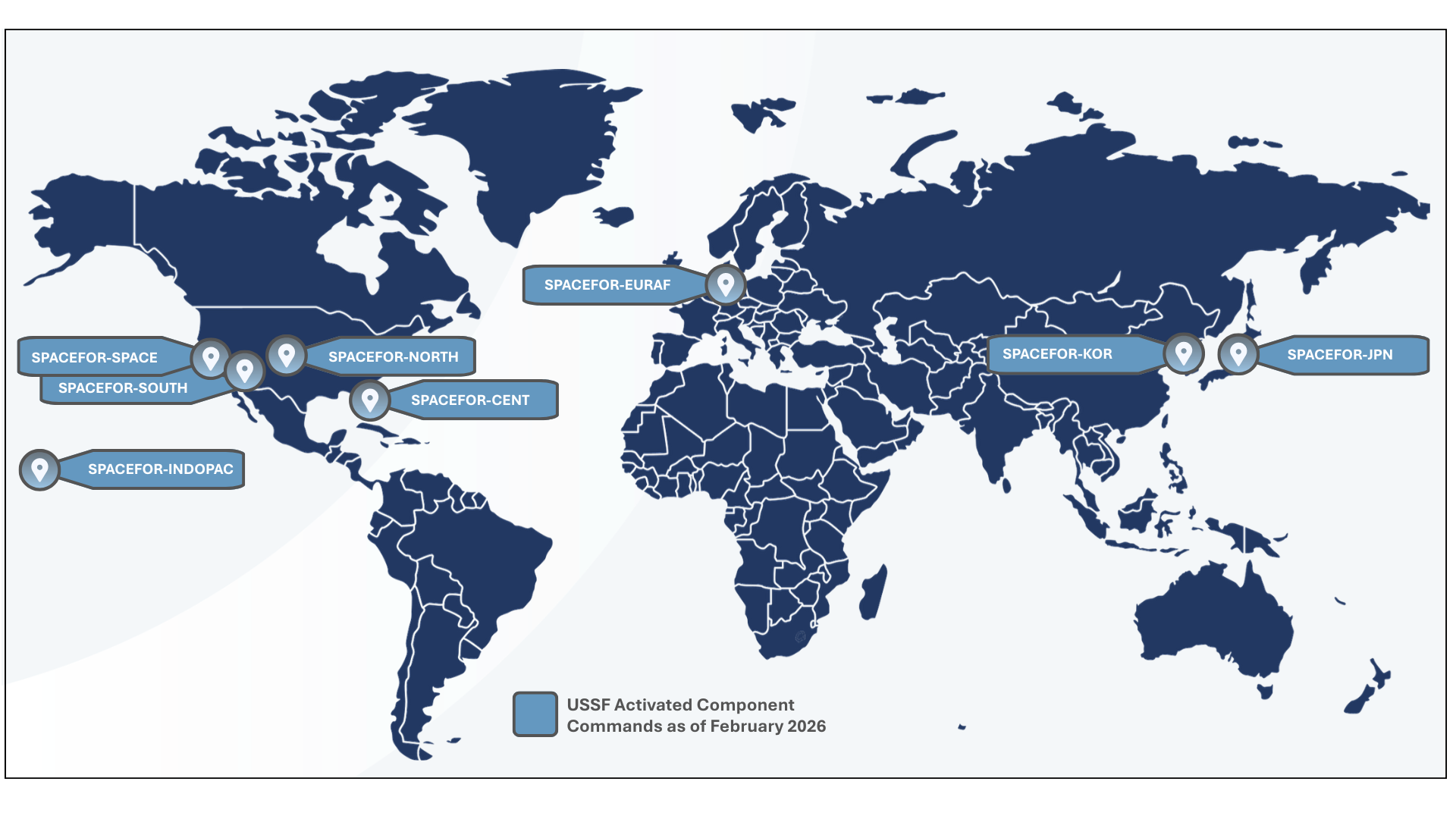
Each of the 11 combatant commands, whether geographically or functionally aligned, is supported by service components that provide forces, expertise, and planning support aligned to the commander’s mission.
As the newest military service, the USSF faced the challenge of establishing its own component presence across all commands while operating with constrained resources and rapidly evolving institutional processes. As the effort expanded in scope and urgency, the USSF augmented support to establish a scalable execution model.
Space Superiority Demands More Than Technology. It Demands Integration.
The USSF had to stand up new service components across combatant commands quickly, credibly, and in alignment with joint priorities.
This white paper breaks down how an Initial Mission Analysis Team (IMAT) enabled that effort through disciplined mission analysis, operationally credible trusted advisors, and a repeatable process that produced leadership-ready recommendations.
Inside:
How IMAT accelerated stand-up timelines for USSF components
The mission analysis framework that made it repeatable and scalable
How a small team supported 11 components in parallel
A broader lesson for emerging mission areas across DoD